





All About
White Gold
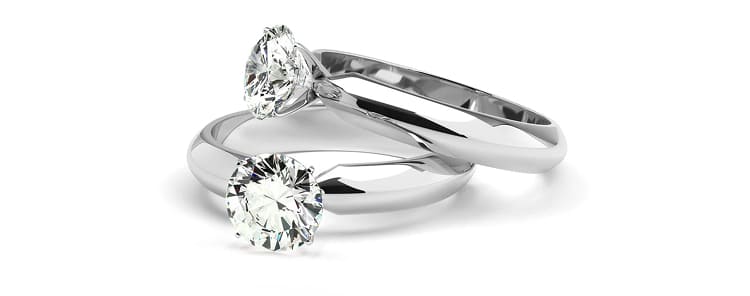
White Gold is a metal created when alloying yellow gold and other white metals together like platinum, palladium or silver together, essentially to tone down the yellow colour to create a bright and charming white one. As gold is a naturally yellow material, rhodium plating is then added to create a reflective, light and lustrous finish.
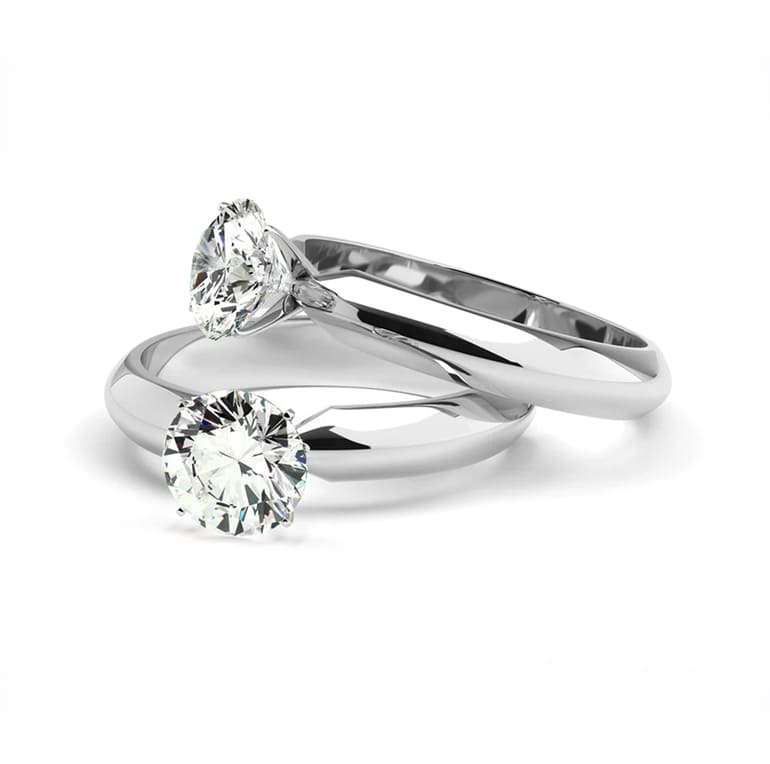
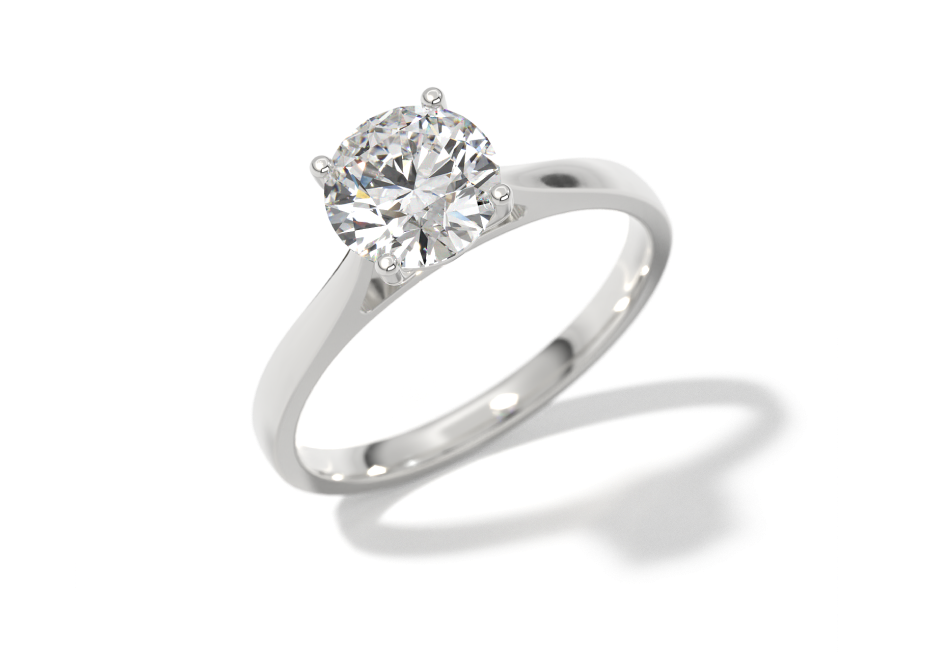
What are the pros and cons of choosing white gold?
There are lots of pros when it comes to opting for white gold. White gold is an incredibly easy-to-wear, durable and versatile metal. It suits all skin tones, and is a far more affordable choice than platinum, offering an enchanting and bright silver look that shows off any gemstone perfectly. It’s also a great choice for daily wear thanks to its high resistant properties, meaning it’s less likely to scratch or tarnish.
When it comes to the cons of choosing white gold, the main one usually is all about its need for a little more maintenance. Where it’s a metal that’s been alloyed and then plated with rhodium to achieve the whiter finish, it will need re-plating every 1-3 years to keep its bright silvery colour.
What’s the difference between 18K, 14K and 9K white gold?
When talking about the different karats of white gold, we are essentially talking about the pure gold content that the metal contains, resulting in their base colour. 18K contains 75% of yellow gold mixed with other white metals, and is more warmer, silvery colour - because of its high gold content. 14K contains 58.3% gold and offers a more creamier, yet still white finish. Finally, 9K contains 37.5% gold and is far lighter and brighter in colour, and the most affordable choice when it comes to white gold.
When deciding what type of white gold to go for, the decision is all yours, however when it comes to white gold, our advice would often be to go down the middle. 14K white gold works well for engagement rings and everyday jewellery, offering a good balance of durability, aesthetics and affordability.

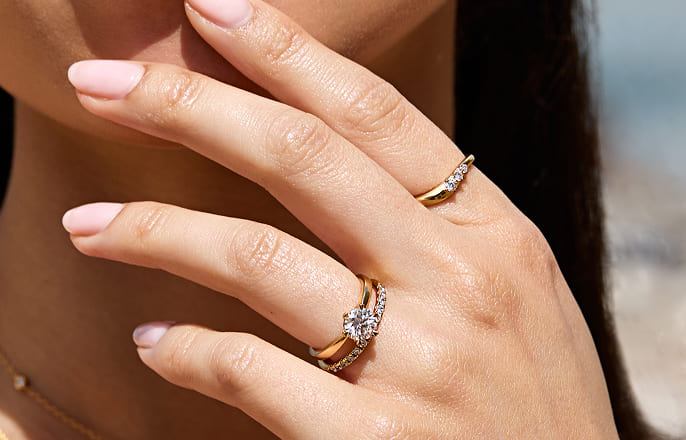

How to care for your white gold jewellery
- Ensure you wear your jewellery separate from other pieces, to avoid damaging them as they may rub together.
- Remove white gold jewellery when working with harsh chemicals or completing rough tasks.
- Clean your jewellery regularly, to avoid dirt building up and dulling its shine.
- Check precious stone settings and clasps regularly for signs of damage and have these repaired straight away to avoid losing your jewellery or their embellishments.
Our clean, polish and replating service
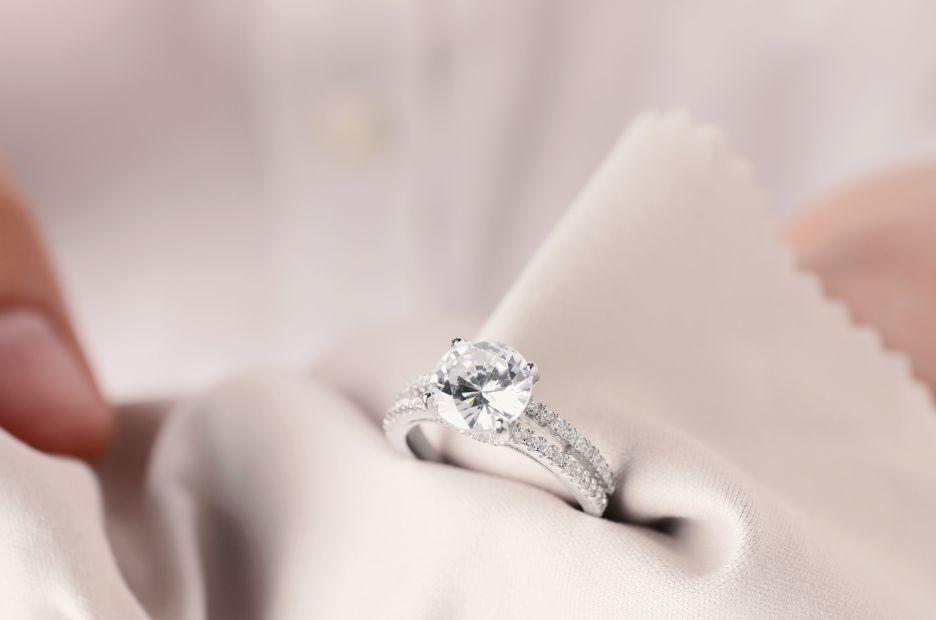
As mentioned above white gold will often require more maintenance as a metal choice, and to cover all bases we offer a single fixed price for restoring white gold jewellery at just £69.
This price includes cleaning, polishing and rhodium plating. Please note, we do not offer replating as a service on its own. The reason for this is simple: before new rhodium can be applied properly, the jewellery must be thoroughly cleaned and polished. This essentially removes built-up dirt and reduces surface wear, helping the new plating adhere correctly and ensuring the best possible finish and longevity.
Need Help?
If you’d like further guidance, whether you are still deliberating whether to choose platinum or gold or if you simply aren’t sure what jewellery would be best, then don’t hesitate to get in touch with one of our friendly team members today. Simply call on 020 7138 3672 or click on the Live Chat service button.






 Unlock private sale access
 Birthday privileges
 Plus a world of exclusives, curated for you.


